
Raised Beds That Handle Clay and Drainage
Garden Bed Walls in Denver for properties where red clay soil and storm runoff require engineered retention
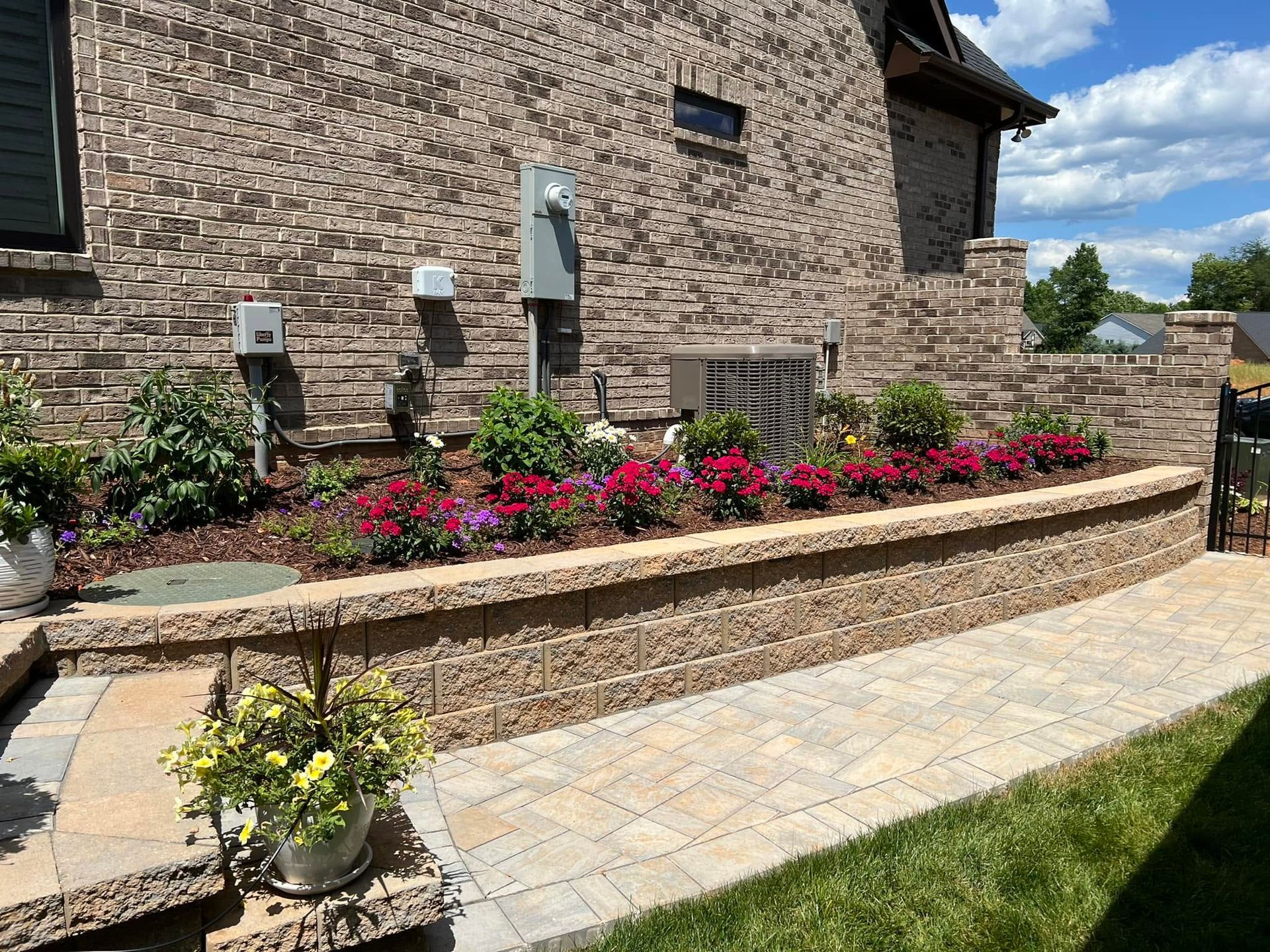
Red clay soil across the Lake Norman area creates compaction and drainage challenges that affect how raised bed walls perform over time. BCB Hardscape, LLC installs garden bed walls in Denver with drainage layers and soil separation built into the structure, not just decorative framing added to the surface. You get raised bed walls designed to handle hydrostatic pressure behind the wall and prevent root damage in clay-heavy yards.
The installation includes calculating wall depth based on soil type and runoff patterns, then adding a drainage layer behind the wall to relieve pressure that builds during storms. Material selection in block, stone, or natural edging depends on wall height, bed dimensions, and how much water the site channels during heavy rain.
Schedule a property evaluation to review soil conditions and drainage requirements for your raised bed project.
Why Drainage Layers Matter Behind Garden Walls
Garden bed wall installation starts with base preparation that accounts for clay soil expansion and water movement during storms. The drainage layer behind the wall prevents hydrostatic pressure from building up and pushing the structure forward, which is the most common failure pattern in Lake Norman yards where clay doesn't drain naturally.
Once the wall is complete and backfilled with proper soil separation, you'll notice raised beds that stay level through seasonal wet periods and plants that root without hitting compacted clay underneath. Water drains through the bed instead of pooling against the wall or eroding the base material.
Wall height and material type determine how much base depth is needed and whether block, stone, or natural edging provides the structural support required. The approach adjusts based on whether the bed sits on flat ground or transitions across a slope.
Questions About Raised Bed Wall Installation
Property owners in Denver and Mooresville often ask how garden bed walls differ from basic landscape edging and what determines material choice.
What makes a garden bed wall different from landscape edging?
Garden bed walls are engineered for height and soil retention with drainage layers installed behind the structure, while basic edging is decorative and sits at grade without addressing water movement or soil pressure.
How does red clay soil affect wall installation in Denver?
Red clay compacts and holds water, so walls require deeper base preparation and drainage layers to prevent hydrostatic pressure that pushes the structure forward during storms.
When should I choose block over stone for a raised bed wall?
Block offers consistent dimensions and faster installation for taller walls or longer runs, while stone provides a natural look and works well for shorter beds where irregular shapes fit the landscape design.
What happens if a garden bed wall is built without a drainage layer?
Water pressure builds behind the wall during heavy rain, causing the structure to lean or shift forward, and roots sit in saturated clay instead of draining properly.
How deep does the base need to be for a raised bed wall?
Base depth depends on wall height and soil type, but clay soils in the Lake Norman area typically require deeper compacted base material than sandy soils to prevent settling and movement.
BCB Hardscape, LLC builds garden bed walls with drainage engineering behind every decorative finish, designed for clay soil performance across Lake Norman residential properties. Request a site consultation to review material options and base requirements for your raised bed layout.